When your face changed, it didn’t just affect your smile.
It changed how you show up in the world
If Bell’s palsy, stroke, or facial nerve injury left you with asymmetry, tightness, or unwanted movements… you're not imagining it.
And you're not stuck this way.
The Facial Recovery Roadmap is a structured path to help your brain and face reconnect so you can feel like yourself again.
Many people are told recovery is finished.
Many people recovering from Bell’s palsy, stroke, or facial nerve injury hear the same things:
“Just give it time.”
“You recovered as much as you will.”
“There’s nothing else to do.”
But in most cases, the facial nerve and brain just need guided retraining to rebuild coordination.
Why Your Eye Closes When You Smile
(And Other Signs Your Face Is Still Recovering)

Unwanted Movements
Movements that happen when you didn’t intend them to:
• Your eye closes when you smile
• Your mouth moves when you blink
• Your cheek tightens when you talk
• Your eye squints when you chew
• Parts of your face move together
This pattern is synkinesis , and it means the facial nerve signals are still learning how to coordinate.

Tightness or Pulling
Some people feel tightness or pulling:
• One cheek feels tight when smiling
• Your face feels stiff or tense at rest
• Your smile feels forced
• One side of your mouth pulls more
• Your eye feels tight when you smile
This happens because the muscles are overworking to compensate .

Signs in Everyday Life
You might notice:
• Food or drink spills from one side
• Your speech is less clear than before
• One side of your lips feels weaker
• You avoid smiling in photos
• Your face is “not quite right”
Many people tell me they can’t always explain it — they just know their face doesn’t feel like it used to.
Many people notice these changes but aren’t sure what they mean or whether their face is still improving.
That’s why I created a simple 2-minute facial check you can try right now.
It helps you notice small patterns in how your face moves and rests.
Understanding How the Brain and Face Work Together
Guided facial retraining uses your brain’s neuroplasticity to help rebuild smoother, more coordinated movement instead of forcing your face to “try harder.”
Speech-Language Pathology expertise
30+ years in neuro recovery
Facial retraining principles
Understanding the brain-face connection
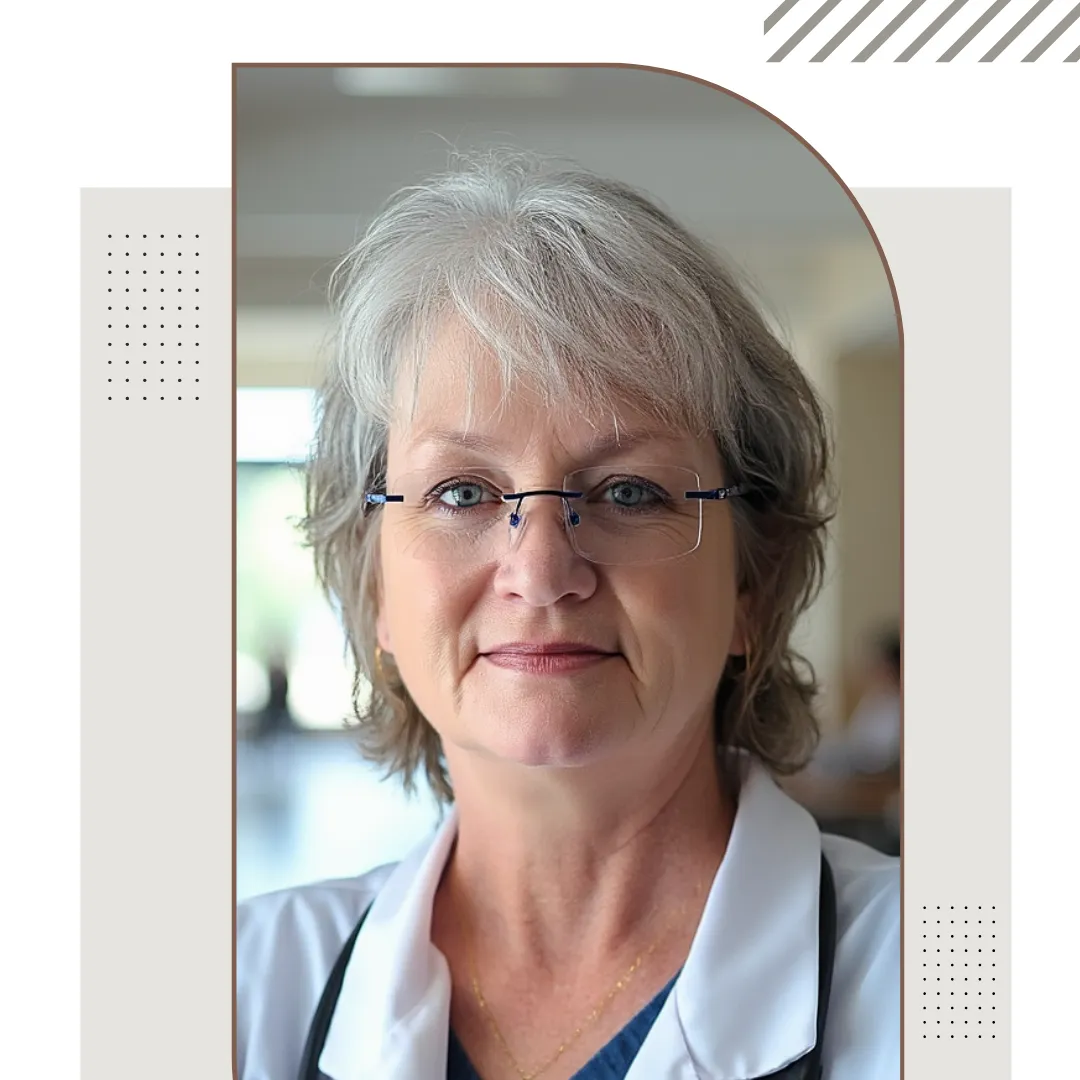
Kristina Pfennig, MS CCC-SLP is an experienced speech language pathologist and facial recovery coach.
The Facial Recovery Roadmap
A structured 6-month program designed to help the brain and face rebuild coordinated movement.
The Facial Recovery Roadmap includes:
What people will see:
Personalized recovery strategy
Weekly coaching sessions
Microcurrent training
Facial retraining guidance
Speech and swallow support
Lifetime access to materials
Progress tracking
Step-by-step recovery path
More balanced smile
Reduced twitching
Easier speech
Less drooling
Greater facial control
Confidence returning
Blinking comfort
Natural expression
What Clients say
Real Stories from Real People Who Refused to Accept Living with Facial Weakness
People who come to this program often feel frustrated, discouraged, and unsure if their face will ever improve.
Many are tired of constantly thinking about their smile, speech, or how their face looks in conversations.
But small changes can lead to powerful results.
Here are a few experiences shared by people who decided to take the first step.

“I just want to say that I am so happy that I did the program. My husband took pictures of my smile from the beginning. This program works. "
— D.D.
“When my face was really bad, people didn’t know what to say. Now those same people tell me how I look like myself again. I’m so grateful for Kristina and the work we did together.”
— C.M.
“People are starting to notice the change in my face and speech. At first, I struggled to drink from a glass, my smile was crooked, and I had to repeat myself all the time. Now my smile is even, people can understand me, and I feel so much more confident in everyday conversations.”
— E.D.
“Discovering this program and committing to it has been a real win for me. Kristina genuinely cares about her clients and consistently encourages us to keep moving forward. It’s been a blessing in my recovery.”
-— R.R.
"Big win for me. After meeting with my SVP and speaking with family, several positive comments were made about my speech clarity. It’s a big win for me.
Great motivator!"
— A.P.
“In just 8 weeks my smile became symmetrical again, my speech became clearer, and I could drink from a glass without a straw.”
— L.C.
The Moment Things Begin to Change
Many clients say the turning point comes when something small suddenly feels easier.
Maybe their smile looks more balanced.
Maybe they drink from a glass without worrying.
Maybe someone says, “You look so much better.”
That moment often restores confidence that improvement is still possible.
Claim Your Free Online Consultation
Connect with a Facial Recovery Specialist Now
Contact Info
Have questions about your face, recovery, or the program?
We’re here to help. Reach out anytime and we’ll guide you toward the next step in your recovery.

Location
200 Plantation Rd, Forsyth MO 65653


Phone
(417) 527-0588


© 2026 Kristina Pfennig. All rights reserved.